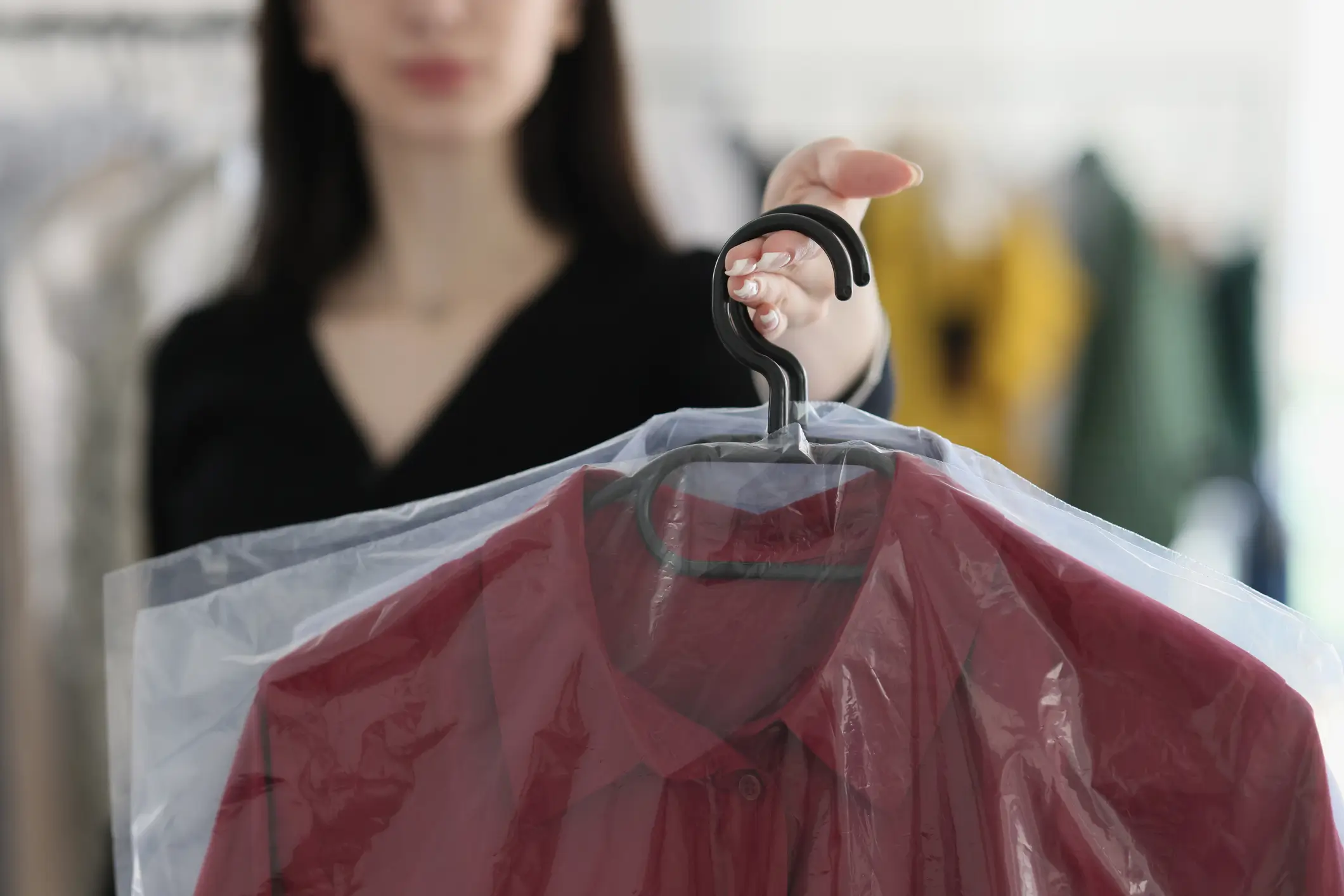
When you drop off your clothes at a dry cleaner, most of what happens takes place well beyond the front counter. You hand over a favorite blazer or a beloved silk blouse, receive a claim ticket, and expect it to come back looking pressed, refreshed, and ready to wear. It is natural to wonder what actually happens once your garment leaves your hands.
Dry cleaning involves far more than placing garments into a machine. Every item receives individual attention designed to protect delicate fibers, treat stains with precision, and preserve the structure and shape that make a well-made garment feel special.
To understand the full picture, let's walk through what happens before your clothes are cleaned, the specific care each fabric receives, and the steps that follow inside the facility.
How to Prepare Your Garments for Professional Dry Cleaning
If this is your first visit to a professional cleaner, you might feel unsure about what you're supposed to do before handing over your clothes. Fortunately, this part is simple. When you prepare your garments properly, you make it easier for the cleaners to deliver the tailored results for which they are known.
- Check the care label.
It confirms whether or not an item is labeled Dry Clean Only, identifies fabric content such as wool, silk, or linen, and may include special instructions that affect the cleaning process. If the label is missing, simply let our team know. Our experienced staff can often identify fabric types and adjust care accordingly.
- Empty every pocket completely.
Pens, lip balm, receipts, tissues, coins, and earbuds are the most common items left behind, and they can leak, melt, or tear during cleaning. Ink pens are especially risky, since solvent movement can spread ink quickly.
- Point out stains.
Some stains, such as white wine or sugary spills, are nearly invisible under regular lighting. Tell our team what the stain is, how long it has been there, and whether you attempted any home treatment. This information helps our technicians choose the correct pretreatment before cleaning even begins.
- Do not pre-wash or over treat at home.
Heat from a dryer can permanently set a stain, rubbing can weaken fabric fibers, and over-the-counter products may react poorly during professional cleaning. If you already tried something, let us know so we can adjust our approach.
- Separate items that need special attention.
Heavily stained pieces, delicate fabrics, structured garments such as suits and coats, and items with embellishments each call for individual review. A beaded gown and a cotton shirt should never move through the same process.
- Remove non-attached accessories.
Belts, detachable hoods, decorative pins, and brooches should be removed before drop-off, since some are not meant for solvent exposure and may discolor or cause damage during tumbling.
Quick Prep Checklist Before You Leave the House
- Check the care label
- Empty every pocket
- Identify and communicate stains
- Avoid home heat or aggressive scrubbing
- Remove detachable accessories
That's it. You don't need to wash, soak, or pretreat your clothes at home. The process is designed to handle that with care.
Professional Dry Cleaning: Step-by-Step Process Explained
Once your garment has been checked in, it moves through a detailed process designed to protect its fibers, preserve its form, and treat stains properly.
Step 1: Tagging and Inspection
Every garment is tagged with a unique identification code the moment it arrives, keeping it traceable throughout the process. Our team then examines it for stains, missing buttons, loose threads, weak seams, and fabric type, documenting anything notable before cleaning begins.
Step 2: Pretreatment
Before garments enter the cleaning machine, stains are treated individually. Different stains call for individual solutions:
- Oil-based stains, such as grease or makeup
- Protein stains, such as sweat or blood
- Tannin stains, such as coffee or wine
- Dye stains, such as ink
Without proper pretreatment, certain stains can set permanently during the main cleaning cycle. This step is one of the biggest reasons professional dry cleaning outperforms home washing.
Step 3: The Cleaning Cycle
The garment then enters a large cleaning machine that loads from the front, similar in appearance to a washer. Inside, clothes tumble gently in liquid solvent rather than water, which dissolves oils and lifts dirt. The solvent is then filtered, drained, and extracted through a controlled spin before drying begins. Modern systems recycle and purify solvent throughout the process, making it efficient and responsible.
Step 4: Drying and Solvent Recovery
Warm air circulates inside the drum to evaporate any remaining solvent. Advanced systems capture the solvent vapor, condense it back into liquid, and reuse it for future loads. By the end of this phase, garments are clean, dry, and free of solvent, which explains why your clothes do not carry a strong chemical odor.
Step 5: Post Spotting
If a stain lingers, the job is not considered finished. Our tailored dry cleaners examine the garment under proper lighting and take another pass if necessary, a quality control step that ensures every piece leaves in its best possible condition.
Step 6: Pressing and Finishing
This is where a garment regains its polished appearance. Depending on the piece, our team may use steam presses, form finishers for jackets, tensioning equipment for shirts, or hand irons for delicate fabrics. Pressing restores structure and shape and smooths fibers that relax during cleaning.
Step 7: Final Inspection and Packaging
Before packaging, staff perform one last check to confirm stains are removed, buttons are secure, creases are correct, and overall presentation meets our standards. Garments are then hung or folded and covered for protection.
The Renew Difference
Renew does not treat every garment the same way. Our approach is built around individual attention, so a cashmere sweater, a tailored suit, and a linen shirt each receive the specific care their fabric requires.
Every piece that comes through our door is treated as a personal item, not a batch job. That distinction shapes every step of the process that follows.
Specialized Fabric Care for Delicate Materials
Different fabrics respond to solvent, heat, and handling in very unique ways. Our specialized fabric care is matched to the material in front of us, not applied as a one-size-fits-all process.
Silk: Gentle solvent cycles, low-heat pressing, and hand finishing are used to protect the fabric’s natural sheen and drape.
Cashmere and Wool: Reduced tumbling, careful temperature control, and reshaping during pressing help preserve the fabric’s softness, structure, and fit.
Linen: Special attention is given to natural crease patterns, with controlled pressing to maintain the fabric’s appearance without weakening the fibers.
Beaded and Sequined Pieces: Each piece is carefully inspected and handled by hand, with protective finishing methods used instead of machine tumbling.
Structured Suiting: Form-finishing equipment is used to restore the garment’s shape while preserving the structure of the canvas without flattening it.
Bring Out the Best in Your Wardrobe, Schedule Your First Visit with Renew
Your first experience with Renew should leave you feeling confident, not uncertain. Every garment receives thoughtful, individual attention, from careful inspection to specialized fabric care, and expert pressing and finishing, so your favorite pieces return looking clean, crisp, and ready to wear.
Whether you're caring for business attire, delicate fabrics, or designer pieces, our experienced team makes individualized garment care simple and dependable. Bring in your first items today and discover the difference personal attention makes.
Ready to Get Started? Contact Our Team Today!
Phone: (845) 317-3639
Email: jandbwholesale@gmail.com